Eco-friendly house painting in Charles Town, WV, is worth thinking about before you schedule any work. If you have young children at home, sustainable interior painting might be the most important decision you make this year.
Most parents don’t spend much time thinking about what goes on their walls. You pick a color, hire someone, and wait for the job to finish. But what goes on your walls directly affects the air your family breathes. That air stays in your home long after the painters pack up and leave.
As a parent, you already make a hundred small choices every day to protect your kids. The paint on your walls might not feel like one of those choices. But it is. And making the right call here is not complicated. It just takes asking the right questions before the job starts.
This post covers what is in traditional paint, why it can affect young children, and what to ask a professional house painter before any work begins in your Charles Town home.
Key Takeaways

The Problem with Standard Paint
Walk into a freshly painted room, and you will notice that smell right away. It is not just paint drying. VOCs, or volatile organic compounds, are released into the air.
The U.S. Environmental Protection Agency (EPA) reports that indoor air can be two to five times more polluted than outdoor air. VOCs from paint are one of the contributing factors.
For adults, short-term VOC exposure can cause headaches, dizziness, and eye irritation. For young children, the concern is greater. Their bodies are still developing. They breathe in more air per unit of body weight than adults do. They also spend more time at floor level, where chemical vapors tend to settle.
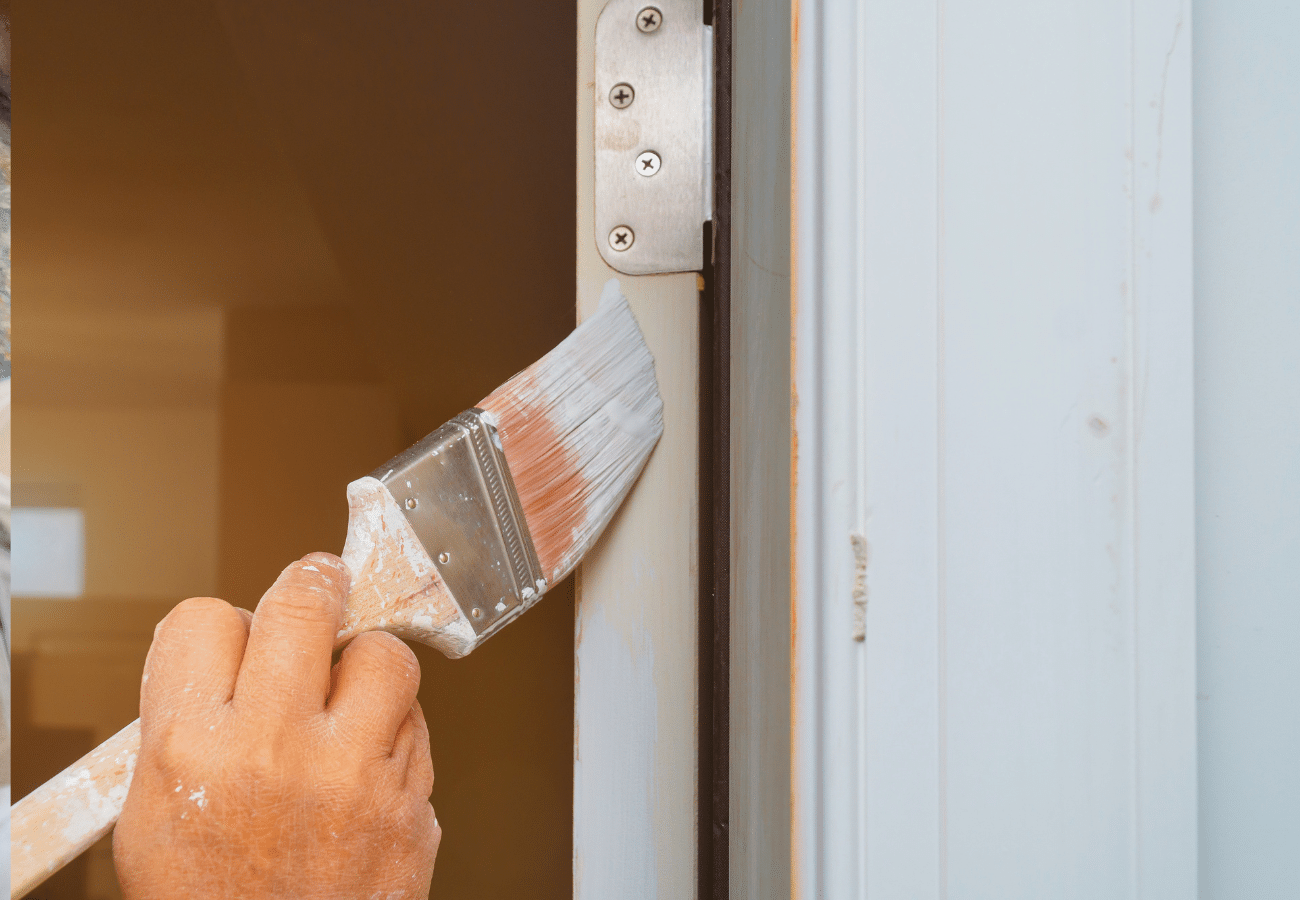
This is why eco-friendly house painting has become a clear priority for many Charles Town families. It is not a trend. It is a practical response to real health information.
When you are planning interior house painting, knowing what goes into the paint is the first step toward making a smarter choice for your family.
What Low-VOC and Zero-VOC Paint Actually Means
Not all paint is the same. Here is a simple breakdown based on EPA guidance:
Major brands like Sherwin-Williams and Benjamin Moore both offer low-VOC and zero-VOC options. Sherwin-Williams Harmony and Benjamin Moore Natura are two examples designed with indoor air quality in mind.
These paints perform just as well as traditional options. They cover evenly, dry properly, and hold their color over time. You do not have to trade a quality finish for a safer home.
Eco-friendly house painting uses low-VOC and zero-VOC products as the default, not as a premium upgrade. When a professional house painter goes over your options with you, safer products should always be part of that conversation.
Sustainable interior painting starts with choosing the right products. But the job does not stop there.
What Sustainable Interior Painting Looks Like in Practice
Sustainable interior painting is about the full process, not just what ends up on the wall.
A skilled interior painter working with eco-friendly methods will:
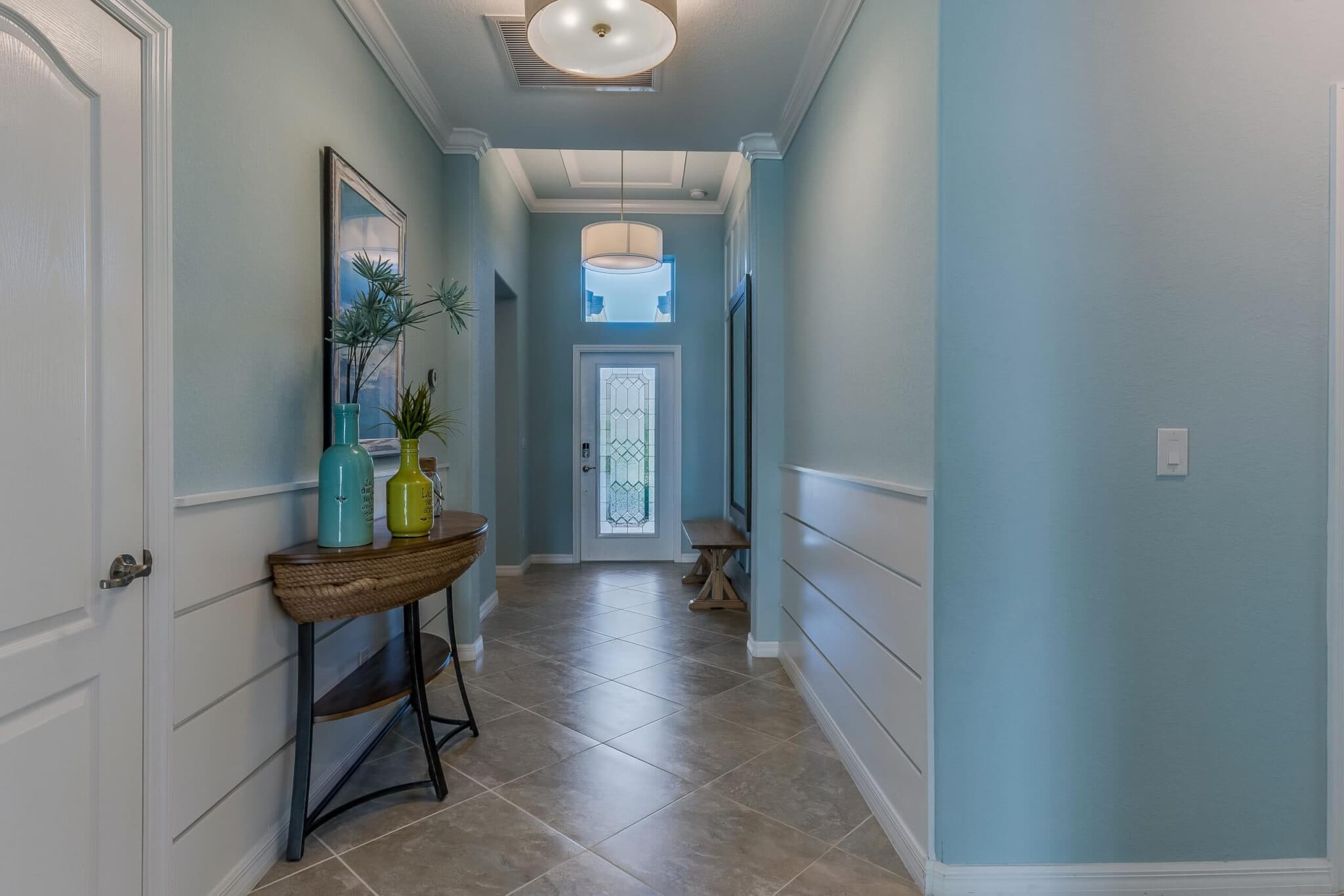
These steps lower the chemical load in your home during the job and after it. They also protect the interior painter doing the work.
When you hire a professional house painter, ask direct questions. “What products do you use?” and “Why?” are fair questions. A qualified professional house painter should be able to answer clearly and without hesitation.
The answers tell you whether eco-friendly house painting is actually part of how they work, or just a phrase on their website.
Interior house painting done with the right products and the right process is what separates a good job from one your family will genuinely feel good about.
Why This Matters More in Charles Town
Charles Town, WV, sits in the Eastern Panhandle, where many homes were built before low-VOC products became widely available. Older homes often carry multiple layers of paint on the walls.
Interior house painting in these homes is a real opportunity to reset. You can put clean, low-VOC products on top of what is already there.
Winter in the Eastern Panhandle also means longer stretches of time spent indoors with windows closed. Whatever is in your indoor air stays there longer during those months. That is another reason eco-friendly house painting makes practical sense for Charles Town families with young children.
Sustainable interior painting accounts for all of this. It is not just about a fresh look. It is about setting up your home for better indoor air quality year-round.
An interior painter who understands local homes, the climate, and how Charles Town families actually live brings real value to the job.
What Happens When You Wait
Paint does not last forever. As walls age, they crack and peel. Damaged paint surfaces trap dust, allergens, and residue from older layers.
For families with young children, a deteriorating wall is not just an eyesore. It can become an ongoing source of indoor air problems.
Your walls tell a story. Cracked, peeling paint in a child’s bedroom is a signal worth paying attention to. It does not have to reach that point before you take action.
Eco-friendly house painting now means starting fresh with clean, low-VOC products. Waiting means living with what is already on the walls, without knowing exactly what that is.
The longer interior house painting gets pushed off, the smaller the window to make a deliberate, healthy choice for your home.
What Your Home Looks Like After
When a professional interior painter finishes the job right, your home feels different.
The walls are clean and bright. The smell fades quickly. You know exactly what products touched your family’s space. Your child’s room feels right.
That is what sustainable interior painting delivers. It is not just a color change. It is a home you feel confident walking into every single day.
Eco-friendly house painting done right means your family gets a fresh, healthy space. And you get the peace of mind that comes with making a real, informed choice for your home.
That matters. And your family deserves it.
Related reading
- Elevate Your Living Space with Interior House Painting
- House painters in Premier Painting Company in Charles Town, WV
- Choosing the Right Interior Painter in Loudoun County, VA
- How to Pick Gray Paint So Your Walls Look Perfect: A Complete Guide
- Here's Why the 2026 Color of the Year Is Perfect for Leesburg Homes